
14_The Bend Test: When the Compass Moves
Being flexible enough to change your strategy when you see external change, before it's too late.
BUSINESS & LEAN MANAGEMENT
Waleed Radwan
4/27/20263 min read
The day started with bad news.
A key raw material supplier…. Yes, the one feeding Station 4, the plant’s critical constraint …. had suspended shipments overnight. Geopolitical disruption in the region. No warning. No buffer.
The team filed in quietly. The strategic direction sentences from last week’s alignment exercise suddenly felt fragile.
Mr. Dashley was already on his phone. “I’ve called an emergency meeting with procurement. And another with logistics.”
Rocky was baffled.
Sage sat quietly. Watching. He let the room settle. Then spoke.
“This,” he said calmly, “is exactly what Rocky asked me last week. What if the compass moves?”
He stood up and walked to the whiteboard.
“Most organizations build strategy like they build concrete. They pour it. They set it. And when the ground shifts… it cracks.”
He wrote one word: ANTI-FRAGILE
“Nassim Taleb wrote that most systems are either : Fragile….they break under pressure. Or robust.…they survive it. But the rarest category? Antifragile. Things that actually get stronger when disrupted. That’s what this team needs to become.”
Mr. NoNo, who had been unusually quiet, looked up. “But how do you plan for something you can’t predict?”
“You don’t,” Sage said simply. “You plan to respond.”
The Problem Isn’t the Disruption. It’s the Assumption.
“When we built our 90-day direction last week,” Sage continued, “we made assumptions underneath it. Supplier reliability. Stable lead times. Consistent throughput at Station 4. Those assumptions are now wrong.”
He paused. “And here’s where most organizations fail: they defend the plan instead of questioning the assumptions.”
Adam Grant, in Think Again, calls this the rethinking cycle , the ability to release what you believed in order to make room for what is actually true. The opposite — clinging to outdated assumptions — he calls that the overconfidence cycle. Leaders convince themselves the old map still works even when the terrain has changed.
Sage turned to NoNo …. something he rarely did directly. “You spent years protecting processes that used to work. We talked about that in The Flow Killer. But what you were really protecting were the assumptions underneath those processes. Not the processes themselves.”
NoNo didn’t flinch. “I know. I’m starting to see that.”
How to Bend Without Breaking
“The military figured this out decades ago,” Sage said. “Colonel John Boyd developed the OODA Loop : Observe, Orient, Decide, Act. The fastest, most accurate decision cycle wins. Not the most detailed plan.”
He drew it on the whiteboard:
OBSERVE the new reality → ORIENT (challenge old assumptions) → DECIDE the adjusted response → ACT fast
“The Orient step,” he emphasized, “is the hardest. It’s the moment you have to unlearn. To say: what I knew yesterday may no longer be true. And this is where most leaders freeze, because unlearning feels like admitting you were wrong.”
Rocky nodded slowly. “The ego tax again.”
“Exactly,” Sage said. “And remember what we said in The Silent Majority — the people closest to the work carry the real intelligence. They see the new reality first. If your adaptation depends only on top-down recalibration, you’ll always be a step behind.”
Mr. Deckson, to everyone’s mild surprise, said quietly: “My dashboard showed the supplier news two hours after it broke. The operators on the floor knew at 6 AM.”
Sage pointed at him. “Exactly.”
He turned back to the whiteboard and wrote:
“A plan that cannot bend will eventually break. The real test of strategy isn’t the day it’s written — it’s the day everything changes.”
Rocky stared at it. “So… our 90-day direction?”
“Still valid,” Sage said. “True North doesn’t move. But the path to get there? That must flex.”
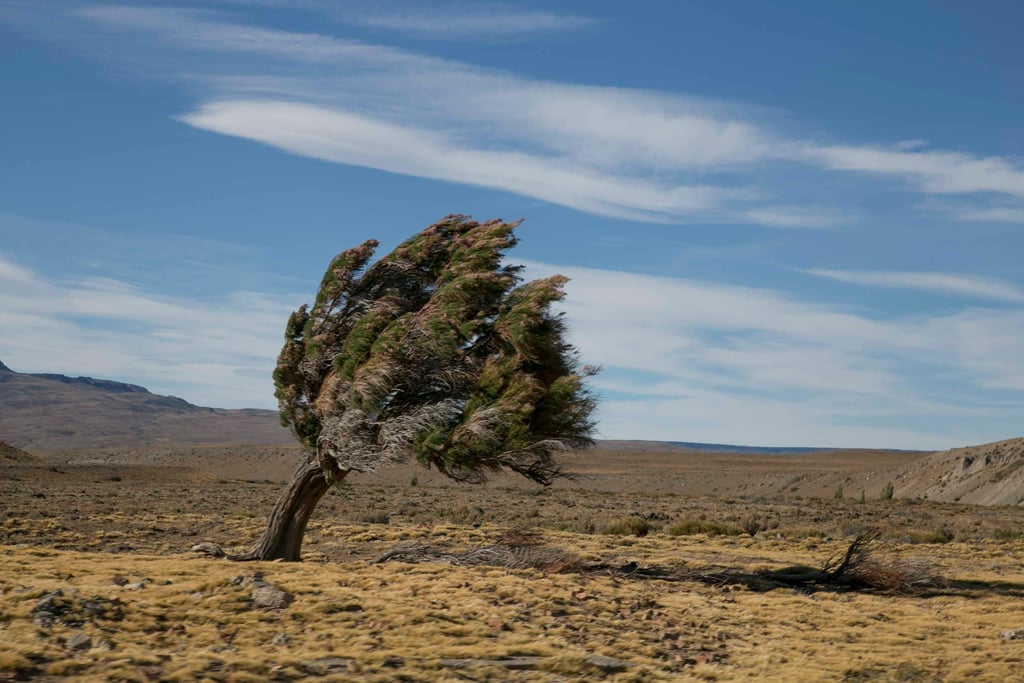
“A ship doesn’t change its destination every time the wind shifts. But it absolutely adjusts its sails.”
Rocky grinned. “Grandma used to say: the tree that survives the storm isn’t the tallest one. It’s the one with the deepest roots… and the loosest branches.”
Sage pointed at him. “Write that down. For once, Rocky, you got there before me!”
Rocky looked genuinely pleased.
He gave them one assignment: identify one assumption inside your 90-day direction sentence that this disruption has just proven wrong. Just one. And write the updated version.
As the team filed out, Rocky lingered… as usual.
“Sage… what if we fix the assumptions, flex the plan, adapt the strategy……. but …….but the people still can’t move? What about human resistance? Not NoNo’s kind. The deeper kind. The emotional kind.”
Sage’s eyes lit up again.
“Now that,” he said quietly, “is the conversation most leaders are terrified to have.”
Rocky frowned. “Why?”
But Sage just smiled and picked up his notebook.
Next week, they’d discover that the hardest thing to change in any organization isn’t the process. It’s the identity people believe they’re protecting.”
#MrSage #Leadership #BusinessExcellence #LeanThinking #TOC #ContinuousImprovement #Coaching #RespectforPeople #WorkplaceWisdom #Antifragile #AdaptiveStrategy #Unlearn
Photo from Pexels by Jan Zakelj
LET'S CONNECT
Newsletter
waleed.radwan@zedseven.org
+971-58822-4771
© 2024. All rights reserved.
JOIN the COMMUNITY
JOIN the MOVEMENT !