
Your Brain on Dopamine, and What Ibn Al-Qayyim Knew About It 700 Years Ago
Timeless wisdom on dopamine carvings ....from a spiritual viewpoint.. by Ibn Al-Qayyim
SELF HELP & PERSONAL GROWTHSPIRITUAL GROWTH
Waleed Radwan
6/9/20263 min read
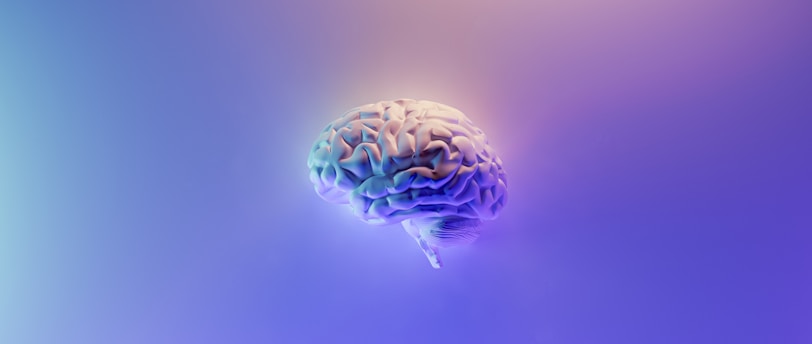

There’s a moment in Anna Lembke’s Dopamine Nation that stops readers cold. Here it is: pleasure and pain run on the same seesaw in your brain.
Tip it too far toward pleasure — another episode, another scroll, another purchase, another hit of anything — and your brain doesn’t just settle back to normal. It overcorrects. Straight into the pain side. So now you need even more of the thing just to feel okay again.
Sound familiar?
Lembke’s work, alongside Robert Lustig’s writing on dopamine-driven pleasure versus serotonin-driven contentment, has become one of the sharpest ideas in modern psychology. It explains something we all quietly suspect: the easiest life — endless comfort, endless stimulation, zero friction — is somehow the least satisfying one. Chase pleasure directly, and it slips away from you. Every time.
None of this would have surprised Ibn Al-Qayyim. Not even a little.
The Scholar Who Mapped the Soul’s Appetites
Ibn Al-Qayyim al-Jawziyyah — 14th century, author of Madarij al-Salikeen and Al-Fawa’id — spent a huge chunk of his life circling a question that sounds almost clinical: how does the human soul swing between craving, satisfaction, and restlessness?
His answer: the nafs — the self — left to its own devices, will chase whatever promises instant relief. And here’s the catch: it’s never actually satisfied by getting it. The craving doesn’t disappear. It just packs up and moves somewhere else.
He didn’t have brain scans. He had something almost as good: people. He watched them closely — their moods, their addictions to status, comfort, distraction — and he noticed the same thing every time. Indulge an appetite once, and it comes back next time asking for more. Sound like Lembke yet? It should. Pleasure chased for its own sake is a liability, not a gift. It creates a debt that has to be repaid, usually with interest, in the form of emptiness, irritability, or a nagging need for more.
Here’s where he goes further than modern neuroscience, and where it gets genuinely useful. He’s not selling you the absence of pleasure. He’s not asking for asceticism (zohd) as some kind of self-punishment. He’s pointing somewhere else entirely: contentment (qana’ah) — a kind of sufficiency that never has to plug into the seesaw at all, because it isn’t drawing from the same well.
Two Maps, Same Mountain
Line them up and it’s almost funny how close they land:
• Lembke’s prescription for dopamine fatigue: deliberate abstinence. Step away from the compulsive thing long enough for your brain’s pleasure-pain balance to reset — so ordinary life starts feeling rewarding again instead of flat and grey.
• Ibn Al-Qayyim’s prescription: turn away from chasing fleeting pleasures — not to punish yourself, but to retrain yourself toward what actually holds you up. Patience. Gratitude. Reliance on something steadier than the next reward.
Same trap. Same way out. One speaks in neurotransmitters, the other in the language of the soul. Neither is wrong — they’re just standing on opposite sides of the same mountain, describing the same climb.
So What Do You Actually Do With This?
If you’ve felt that flatness Lembke talks about — where nothing quite hits anymore, where even rest feels restless — here’s an old question worth asking yourself in plain, modern words:
What am I actually chasing? And would getting more of it ever be enough — or does the finish line just keep moving on me?
A dopamine detox and a spiritual discipline of contentment are, in the end, asking you for the exact same thing: a stretch of intentional less, so that enough can start to feel like enough again. You need the discipline to stop following your crave, to stop following dopamine hits.
Above the noise of endless notifications, endless scrolling, and the anxious voice in your head — that’s the same door. Every single time.
Just ask yourself again that same question above : What am I actually chasing?
Photo from Unsplash by Milad Fakurian
LET'S CONNECT
Newsletter
waleed.radwan@zedseven.org
+971-58822-4771
© 2024. All rights reserved.
JOIN the COMMUNITY
JOIN the MOVEMENT !